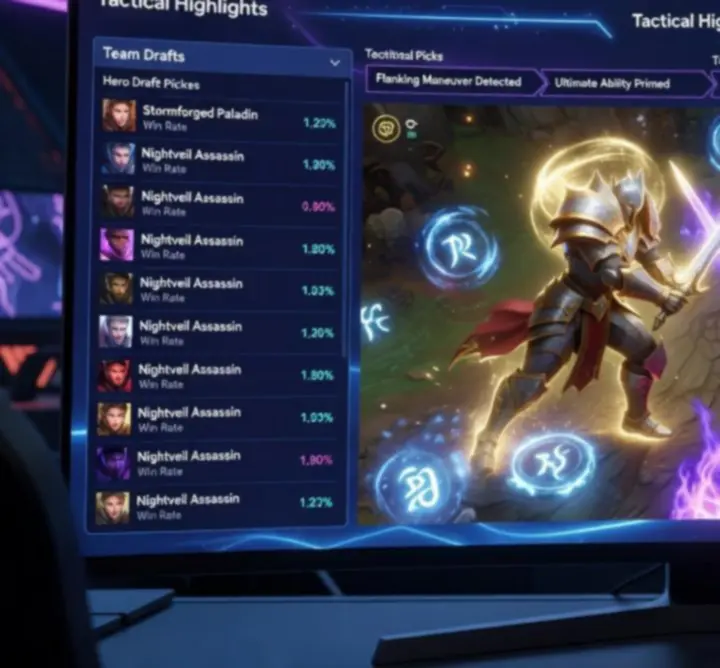
Gameplay & Mechanics

Deep Mechanics Behind Draft Depth

Draft Depth is built around a fantasy strategy game with rich drafting mechanics, layered tactical gameplay, and competitive systems that reward long-term planning. This page breaks down the core systems that define every match.

Focus
Fantasy strategy game, tactical depth, competitive play
Core Pillars
Drafting, synergy, resource mastery, map control
Audience
Hungary-based players seeking advanced game guides
Core Drafting System

Phase-Based Real-Time Drafting

The heart of Draft Depth is a phase-based drafting system where you lock in heroes and spells in real time while reacting to your opponent’s choices.

Each match begins in a tense drafting room. Players alternate picks across multiple phases—core heroes, support roles, and power spells—while a global timer keeps pressure high. Every decision reshapes the tactical landscape long before the first ability is cast.

Because you see both your own and your rival’s evolving compositions, you constantly weigh questions such as:

  • Do you secure a contested carry hero now, or wait to reveal your strategy?
  • Do you pick a flexible hero that can fill multiple roles to stay unpredictable?
  • Do you prioritize drafting mechanics that counter expected damage types or crowd control chains?

This live, information-rich draft defines why Draft Depth resonates with fantasy strategy game enthusiasts: matches are often decided before the first turn through superior planning and reading of the opponent.
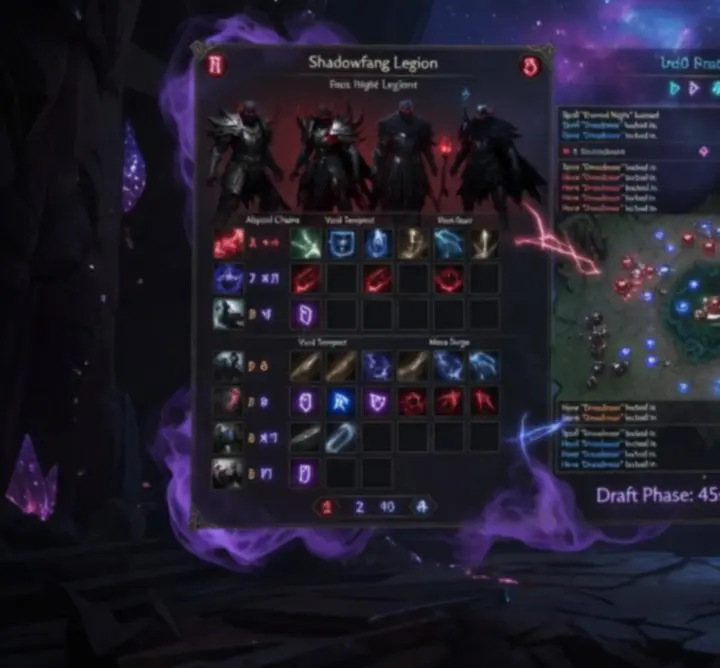
Tactical drafting interface showing heroes, spells, and team compositions in a fantasy strategy game.
The tactical drafting interface visualizes both teams’ compositions, highlighting roles, synergies, and potential counters in real time.

Tactical Synergy & Counterplay

From Team Blueprint to On-Map Execution

Draft Depth teaches you to think of each match as an evolving puzzle: team synergy, counter-drafting, and map pressure all inform your path to victory in this multiplayer fantasy game.

Synergy-Driven Team Building

Composition is more than picking strong heroes. You weave together roles, class abilities, and passive auras to create play patterns: dive comps, siege control, attrition builds, or burst assassinations. The best teams have:

  • Role coverage — frontliners, damage dealers, support control, and flex picks.
  • Ability chains that convert single spells into devastating combos.
  • Fail-safes — defensive tools if the opening plan collapses.

Our game guides break down proven synergy archetypes that consistently win across ranked tiers.

Counter-Drafting as a Weapon

Every pick broadcasts your intent. Skilled players read those signals and use counter-drafting to disrupt:

  • Drafting silence or purge to punish buff-heavy lineups.
  • Adding displacement tools to break bunker-style defenses.
  • Pivoting damage types when the opponent over-stacks one resistance.

This constant back-and-forth creates the strategic depth that gives the project its name: Draft Depth is about mastering the decision tree, not just the final team.

Resource Management Mechanics

Once the battle begins, the focus shifts from drafting to execution. To win, you must manage several overlapping resources:

  • Mana & energy — pacing your casts so key ultimates are ready at pivotal objectives.
  • Cooldown cycles — staggering defensive and offensive skills so you never fight empty-handed.
  • Power cards — limited-use tactical cards that can swing objective fights when played at the perfect moment.

Effective resource management turns even a slight composition disadvantage into a winnable scenario, rewarding analytical, tactical gameplay.

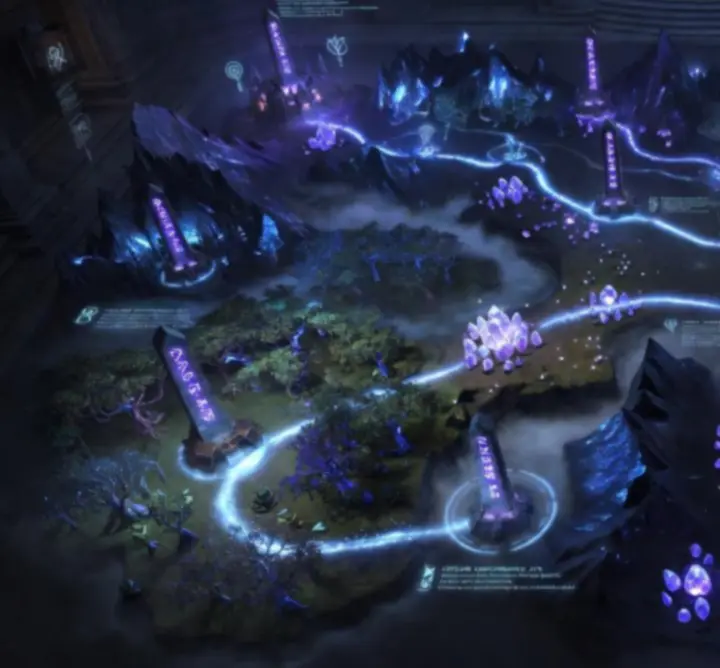
Dark fantasy strategy map with layered objectives, lanes, and glowing control points.
Layered objectives, resource nodes, and rotating hazards create a living battleground that rewards foresight and coordinated rotations.
Layered Map Objectives

Owning the Battlefield Through Objectives

Maps are designed as multi-layered tactical spaces rather than simple arenas. Victory comes from reading the terrain and aligning your draft with objective pressure:

  • Resource nodes that fuel power card generation or accelerate ability upgrades.
  • Pivotal boss objectives which, once captured, unleash temporary but game-defining buffs.
  • Side quests such as vision shrines or mobility gates that allow flanks and surprise rotations.

High-level players treat objectives as a clock: each spawn window dictates when to conserve resources, when to force trades, and when to buy time for late-game scaling comps.

Turn-Based vs. Real-Time Tactics

Dual-Phase Combat: Draft in Real Time, Fight in Tactical Turns

Draft Depth’s featured game blends real-time drafting with turn-based tactical combat. This hybrid model forces you to switch mental modes twice each match.

Real-Time Drafting Phase

In the opening phase, you operate under time pressure. Information is incomplete, bans and picks arrive quickly, and your success depends on how fast you can evaluate drafting mechanics and opponent tendencies.

  • Read opponent patterns across multiple matches.
  • Adapt your plan instantly when priority heroes are denied.
  • Lock flexible heroes that keep your strategy concealed.

This phase heavily rewards competitive strategy skills: scouting, pattern recognition, and composure under pressure.

Turn-Based Tactical Combat

Once teams are set, the game shifts into structured turns. You can now plan around initiative order, ability ranges, environmental hazards, and objective timers to orchestrate precise plays:

  • Setting up combos that trigger over two or three turns.
  • Positioning heroes around choke points and vision lines.
  • Rotating cooldowns so you always have a response available.

This mode appeals strongly to players who love tactical gameplay and chess-like decision making, while still preserving the excitement of the real-time draft.

Hero & Class Archetypes

Roles, Passives, and Tempo Control

Heroes are grouped into class archetypes that define their battlefield role and how they influence match tempo.

Frontliners & Vanguards

Tank and bruiser classes control engagement timing. Their passives might convert incoming damage into shields, or amplify crowd control the longer they remain in the fight, dictating when your team can safely commit.

Damage Cores & Assassins

These classes define your damage profile: sustained DPS, burst, or damage-over-time. Their mechanics determine which map objectives your composition prefers and which enemy archetypes you naturally pressure.

Supports, Controllers, and Hybrids

Utility heroes sync your entire strategy through heals, buffs, debuffs, and crowd control. The best drafters understand how one subtle passive (vision, mana sustain, resist auras) can shift an entire matchup.

Adaptive AI Opponents

Smarter Solo Play Through Draft-Aware AI

For Hungary-based players who enjoy solo queue or practice modes, Draft Depth highlights how the game’s adaptive AI leverages drafting data and battlefield conditions to challenge you.

Draft-Responsive Behavior

The AI evaluates your team composition, identifying whether you rely on burst, sustain, or crowd control chains, then adjusts its own target priorities and positioning rules accordingly.

On-the-Fly Tactical Adaption

As matches unfold, the AI tracks objective outcomes, damage patterns, and cooldown usage, altering aggression levels and focusing weak links in your lineup.

Training Ground for Ranked

Because AI behavior mirrors common human strategies, it serves as a practice field before stepping into ranked multiplayer fantasy game modes, letting you refine drafts and test new builds safely.

Deep Ability Customization

Talent Trees, Spell Augments, and Power Curves

Beyond the initial hero pick, Draft Depth showcases a system of ability upgrades, spell augments, and talent trees that let you reshape your identity mid-match.

Branching Talent Trees

Each hero features multiple branches: offensive, defensive, and utility. Your choices adjust power curves, allowing early-game snowball builds or late-game scaling plans based on enemy draft.

Spell Augments & Morphs

Key abilities can be augmented into different variants: wider but shorter-range, high-damage but longer cooldown, or utility-focused with added crowd control. These morphs let you react to match-specific threats.

Adaptive Mid-Game Rebuilds

Limited respec opportunities allow mid-game pivots. If your initial plan fails, you can retool a hero toward peeling, burst, or split-push pressure, rewarding flexible strategic thinking.

Competitive Gameplay Layers

Ranked Structure, Seasons, and Performance Data

Draft Depth focuses on players who enjoy competitive strategy and want to climb through structured ranked systems that reward mastery of both drafting and in-combat mechanics.

Ranked Matchmaking

Progress through tiered divisions by demonstrating consistent drafting discipline, objective control, and adaptation to the evolving meta. Draft Depth’s coverage helps you understand which compositions thrive at each rank.

Season-Based Rewards

Season resets, themed rewards, and seasonal balance passes keep the fantasy strategy game meta fresh. Specific seasons may promote certain archetypes, incentivizing experimentation.

Analytics-Driven Feedback

Post-match dashboards highlight draft efficiency, resource usage, and objective impact. These metrics reveal where you excel and what to refine in future games, especially useful for competitive Hungary-based players pursuing higher tiers.

Dynamic Events & Environmental Hazards

Evolving Battlegrounds Demand Flexible Plans

To keep replayability high, maps feature dynamic events and environmental hazards that periodically reshape the tactical puzzle:

  • Rotating fog banks that obscure vision and favor ambush drafts.
  • Lava fissures or corrupted zones that punish static bunker setups.
  • Timed buff shrines that incentivize risky rotations for massive rewards.

The most successful players draft with these variables in mind, choosing heroes and classes with the mobility, sustain, or zone control to capitalize on shifting terrain.

Strategy Replay & Analysis Tools

Review, Learn, and Evolve Your Drafting Game

To support long-term mastery, the game ships with robust replay and analysis tools that Draft Depth integrates into its learning resources.

Core features include:

  • Real-time drafting history overlays that replay each pick and ban step.
  • Vision and threat maps to visualize safe zones and pressure points.
  • Timeline scrubbing to track how a single misplay cascaded into objective losses.

By pairing these tools with our in-depth guides, you can build a structured improvement routine: draft, play, review, adjust, and repeat.

Replay analysis interface showing drafting history, vision overlays, and tactical heatmaps.
Replay tools expose drafting sequences, movement paths, and combat stats so you can systematically refine your strategy.

Ready to Put These Mechanics Into Practice?

Now that you understand the systems powering Draft Depth’s featured multiplayer fantasy game, move from theory to application. Explore focused game guides, detailed hero breakdowns, and community discussions tailored to Hungary strategy players.