Draft Depth · Fantasy Strategy Drafting Hub

Master the Draft: From First Pick to Final Gambit

Dive into the drafting mechanics of Legends of Runeterra, our featured premium cross-platform fantasy strategy game. Learn to read the lobby, predict opponents, and assemble devastating line-ups built on tactical synergy and competitive foresight.

Featured game
Legends of Runeterra · Premium cross-platform fantasy strategy game
Core focus
Drafting mechanics, tactical gameplay, and competitive strategy for Hungary players

Introduction to Drafting

Drafting: The Foundation of Every Tactical Battle

Drafting is where fantasy strategy game matches are decided long before the first spell is cast. It shapes every battlefield, defining tempo, win conditions, and how you respond to enemy pressure in multiplayer fantasy game modes.

Why Drafting Matters

In Legends of Runeterra, as in other deep fantasy strategy games, your draft determines which archetypes you can pilot, how you answer opposing threats, and when you spike in power. A well-planned draft transforms individual cards or champions into a cohesive strategy.

  • Unlocks layered tactical gameplay before the match even starts.
  • Rewards players who understand drafting mechanics and meta trends.
  • Provides clear paths to victory through synergy, tempo, or inevitability.

Draft Depth curates structured game guides that teach you how to treat every draft as a puzzle: read the pool, evaluate risk, and build line-ups suited for Hungary's competitive ladder and events.

Three Layers of Draft Depth

  1. Information

    Know the pool: cards, champions, regions, and current balance changes all influence what is realistically draftable and what is a trap.

  2. Synergy

    Combine roles, keywords, and region mechanics to create compositions that are stronger than the sum of their parts.

  3. Adaptation

    React to opponent picks, deny key combos, and pivot your plan to seize unexpected win conditions.

How the Drafting Phase Works

Turn-Based Drafting: Picks, Counter-Picks, and Momentum

The drafting phase in our featured game unfolds as a structured, sequential exchange of choices. Each pick reveals information, shapes future options, and invites counter-play from your opponent.

The Core Draft Flow

  1. Lobby & roles: Players queue into a drafting lobby, confirm roles or regions, and see the available pool.
  2. Opening picks: Early picks secure your primary win condition: a synergy core, a powerful champion pairing, or a high-value spell package.
  3. Counter-picks: As opponents reveal plans, you answer with disruption, tech choices, or flexible picks that keep options open.
  4. Closing the draft: Final slots lock in your curve, defensive tools, and late-game insurance.

Because drafting is turn-based, timing matters: sometimes you hide your true archetype until mid-draft; other times you instantly claim a contested champion to deny enemy access.

What Makes Each Draft Unpredictable

  • Evolving metas that alter which champions and combos are premium.
  • Randomized pools and region constraints that force creative line-ups.
  • Player tendencies – some drafters prioritize comfort picks; others chase pure meta power.

Our detailed coverage on the Gameplay & Mechanics and Tips & Guides pages breaks down how to stay flexible without losing strategic clarity.

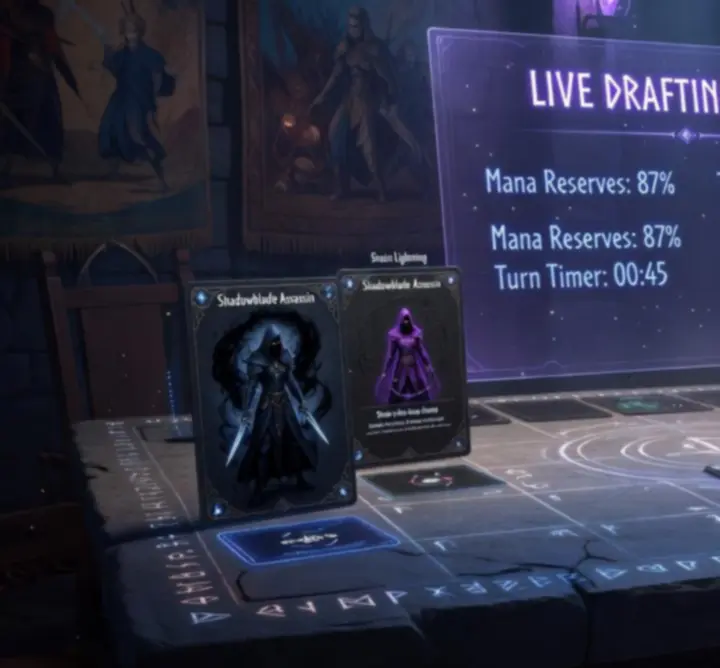
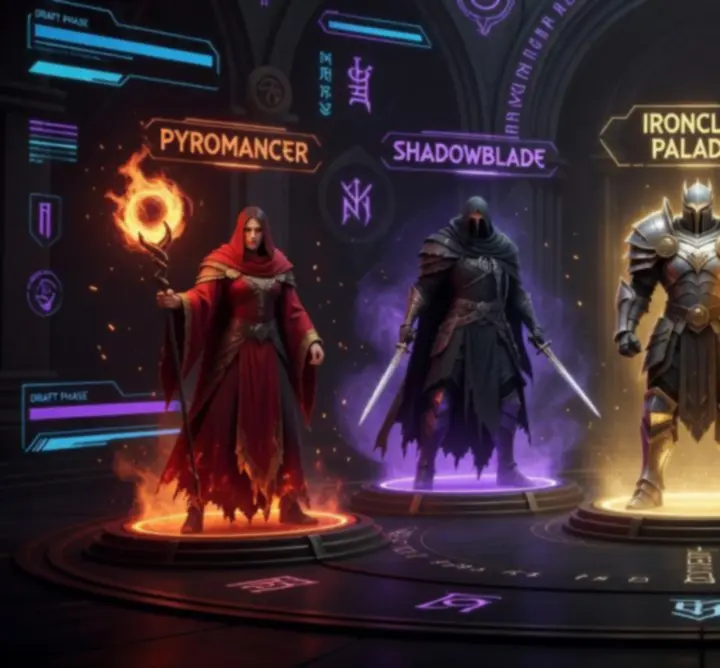
Dark fantasy drafting interface showing heroes being selected in a turn-based draft phase.
The drafting interface visualizes the turn order, available heroes, and evolving team compositions so you can read threats at a glance.

Tactical Depth

Choosing Your Composition: Synergy, Counterplay, and Archetypes

A draft is not just five isolated champions or decks – it is a living strategy. Strong compositions align roles, power spikes, and win conditions across the entire roster.

Synergy-Driven Line-Ups

These compositions stack keywords, region mechanics, or combo pieces to create explosive turns. Think stun chains, buff engines, or overwhelm strategies that turn a single attack into lethal damage.

  • Clear, focused win condition.
  • High payoff when the draft aligns.
  • Vulnerable to targeted disruption and bans.
Control & Counter Comps

Built to survive early aggression and drain your opponent of resources, these drafts leverage removal, stuns, and value engines to outlast most meta archetypes.

  • Strong versus predictable aggro or midrange picks.
  • Relies on accurate meta reads.
  • Rewards patient, deliberate tactical gameplay.

Flexible & Off-Meta Curves

Some high-level drafters intentionally choose unexpected line-ups – hybrid tempo decks, off-meta champion pairs, or region splashes that punish standard answers.

  • Harder to read and counter in draft.
  • Requires deep card pool knowledge.
  • Can exploit gaps in the Hungarian ladder meta.

Want to see how compositions translate into in-game roles and power curves? Explore our breakdowns on the Characters / Classes page.

Explore Roles & Classes

Strategy in Action

Classic vs Advanced Drafting Tactics

Every drafter starts with fundamentals – but high-level play demands deeper reading of bans, forced gaps, and risk profiles. This is where Draft Depth lives.

Classic Drafting Approaches

  • Comfort-first drafting: Prioritize champions and regions you pilot well, even when they are not top-meta.
  • Curve drafting: Ensure a smooth mana curve, with early defense, mid-game pressure, and late-game closers.
  • Role coverage: Secure removal, threats, and at least one flexible win condition.

For many players on the Hungarian ladder, mastering these basics already delivers a huge win-rate jump, especially when combined with targeted game guides.

Advanced Drafting Mindsets

  • Ban mapping: Predict which archetypes your opponent wants and plan bans that collapse their options.
  • Forced gaps: Intentionally draft picks that pressure specific weaknesses, like slow early games or limited removal.
  • Opponent reading: Use each pick as a signal – are they pivoting, hiding, or doubling down?
  • Risk profiling: Decide when to draft stable line-ups vs all-in gambits depending on your tournament position.

These techniques define competitive success in events and ranked climbs across Hungary and beyond, where small draft edges snowball into major tournament runs.

Recommended Drafting Strategies for Beginners

From First Draft to Confident Competitor

If you are new to drafting in fantasy strategy games, focus on clarity over complexity. Simple, well-structured line-ups will outperform messy attempts at advanced combos.

1. Start with Balanced Teams

Ensure your draft covers core roles: early defenders, mid-game pressure, and at least one late-game win condition. Avoid overloading on narrow combo pieces.

  • 1–2 reliable champions as your main game plan.
  • Sufficient removal to answer common threats.
  • Healthy mix of low and mid-cost cards.

2. Understand Class Roles

Each champion or unit fills a role – frontline, control, support, finisher. When drafting, ask: “What job does this pick perform, and is that job already covered?”

Use the Characters / Classes page to learn which Runeterra champions shine as openers, closers, or flexible pivots.

3. Avoid Common Pitfalls

  • Do not draft only late-game cards – you will lose before your deck stabilizes.
  • Avoid unplayable color or region splits that harm your consistency.
  • Do not chase every flashy combo; pick lines you can actually pilot.

Our FAQ and Community sections answer beginner questions specific to the Hungarian audience, including recommended starter archetypes.

Ready for structured learning paths and full deck breakdowns?

Browse Beginner Guides

Drafting for Competitive Play

Competing on the Ladder and in Tournaments

At the highest level, drafting becomes a metagame of its own. Hungarian tournaments and online events reward players who can anticipate trends, react to patches, and maintain a deep drafting toolkit.

Meta Shifts & Patch Adaptation

Balance updates constantly reshape which champions, regions, and combos define the meta. Competitive drafters:

  • Track nerfs and buffs on key champions and archetypes.
  • Identify which once-risky drafts become stable after buffs.
  • Exploit slow adaptation from the general ladder population.

Follow our News / Updates page to stay aligned with patch notes that directly impact draft value.

Reading Trends & Tournament Patterns

High-level events produce data: which line-ups win, which bans are universal, and which “pocket picks” surprise the field.

  • Study winning line-ups from recent events.
  • Prepare secondary line-ups tailored for Hungarian online cups.
  • Develop specialized anti-meta drafts for specific brackets.

The Community page highlights local events and scrim partners so you can stress-test your drafts under real pressure.

Interactive Draft Simulator

Practice Drafting in Real Time

Use the Draft Depth simulator concept to explore different pick orders, compositions, and counter-picks in a low-pressure environment. Visualize how each choice reshapes your tactical options before you jump into live matches.

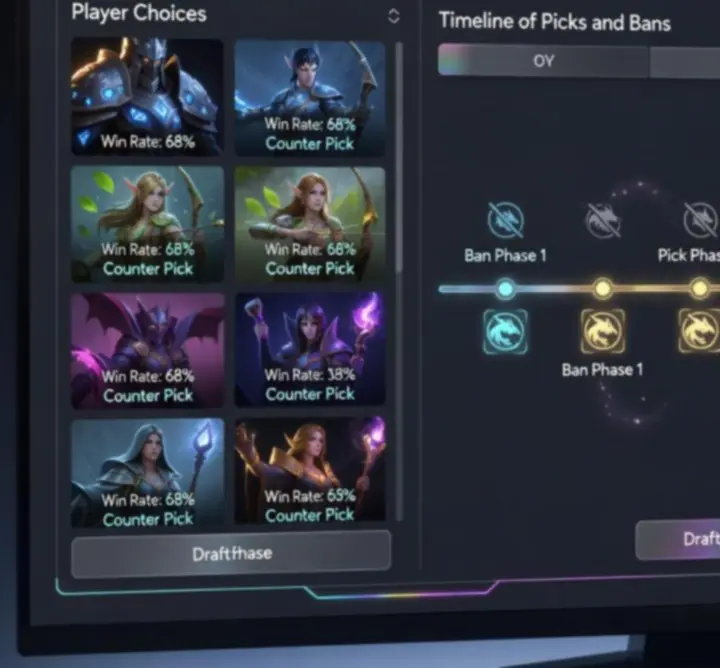
Strategy-focused draft simulator UI with hero slots and glowing tactical overlays.
The simulator UI mirrors key elements of a real draft lobby: pick order, role icons, and evolving team compositions.

How to Use the Simulator Concept

  1. Select your archetype goal: Decide if you are aiming for control, tempo, or combo-based strategies.
  2. Walk through pick orders: Simulate opening, mid, and late picks to see how different choices force you into or out of specific archetypes.
  3. Note counter-pick windows: Identify moments where a single pick could blunt an opponent's plan in a real match.
  4. Record favorite lines: Keep track of successful draft patterns to reproduce them on the live ladder.

As Draft Depth grows, you will find more interactive tools and scenario-based Tips & Guides that turn theory into practical drafting routines.

Want feedback on your draft ideas? Share them with other Hungary-based players.

Join the Community

Draft Recaps

Case Studies from Top Matches

Analyzing completed drafts is one of the fastest ways to sharpen your intuition. By replaying each decision, you learn how small adjustments could have flipped the outcome.

Case Study #1 · Denied Combo Win

A tournament finalist leaned on a popular combo archetype. Their opponent predicted this and used early bans plus mid-draft counter-picks to cut off critical pieces.

  • Key decision: sacrificing comfort picks to hard-target the enemy's best line-up.
  • Outcome: combo archetype crumbled under consistent disruption.

Case Study #2 · Off-Meta Control Surge

In a Hungary-focused community event, a player drafted a slow control line-up in a field dominated by aggressive picks. The meta read paid off.

  • Key decision: prioritizing lifegain and board clears in early picks.
  • Outcome: opponents ran out of resources, giving control a clean path to victory.

Case Study #3 · Risky All-In Gambit

A high-ranked ladder player drafted a fragile, explosive combo that either won by turn seven or lost outright. The risk profile was extreme, but calculated.

  • Key decision: accepting poor matchups in exchange for dominating specific archetypes.
  • Outcome: a volatile but successful climb when queued during favorable meta windows.

For full draft breakdowns with pick-by-pick commentary, visit our strategy archives and patch-specific articles.

View Latest Strategy Reports

Continue Your Draft Depth Journey

Move from theory to daily practice with focused pages on mechanics, guides, and community discussion tailored for Hungary's fantasy strategy players.